Read for years
Systems broken quietly and left in service, because the break was worth more than the warning.
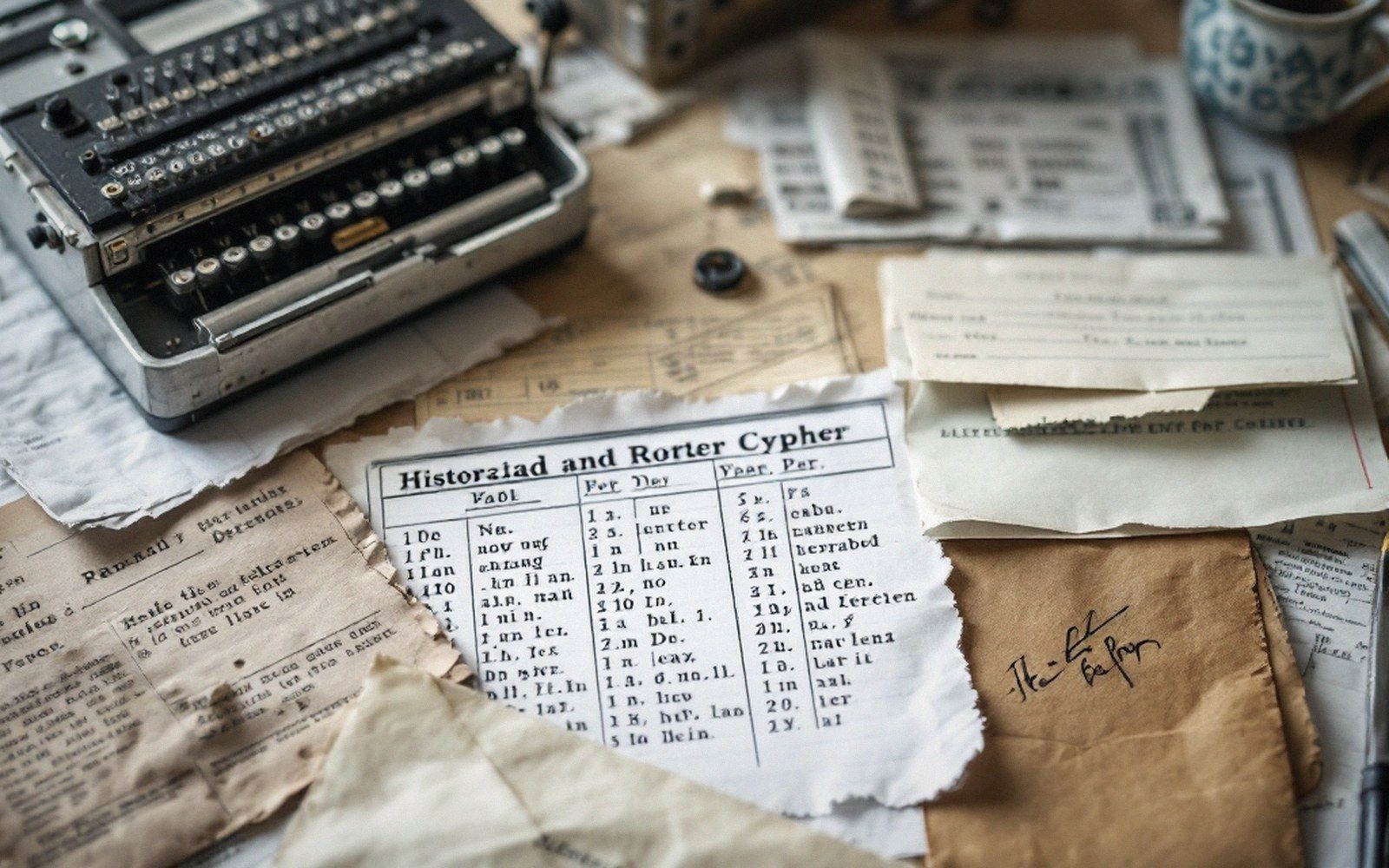
When silence was the weapon
Breaking a cipher is only half the work. The harder decision is what to do with the break — and the answer, more often than historians once appreciated, was nothing.
The logic is cold but coherent. Tell the enemy their cipher is compromised and they replace it, probably with something you cannot yet read. Say nothing, and the stream of intelligence continues — days, months, sometimes years. The break becomes a sustained window rather than a single coup.
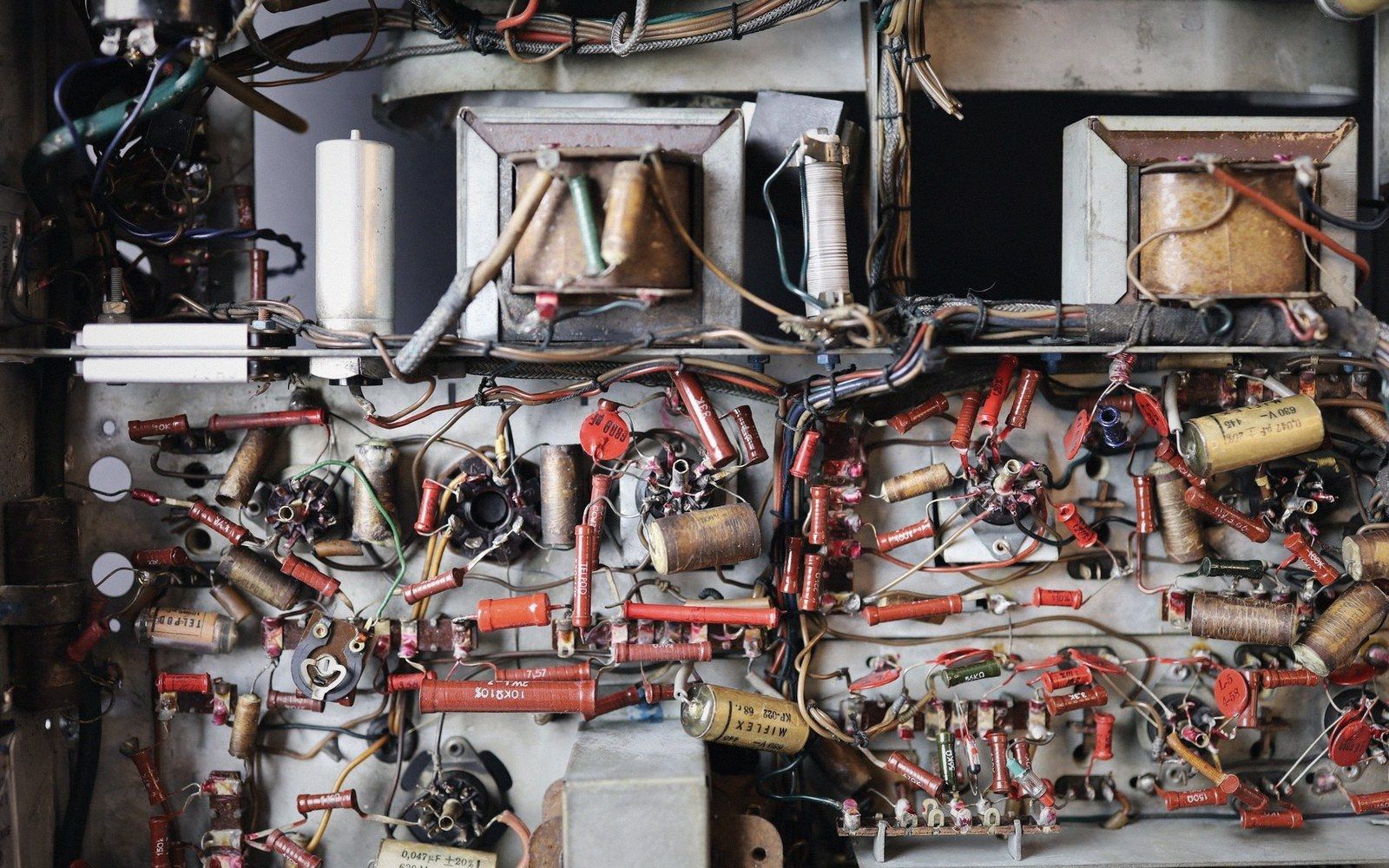
The practice has deep roots. During the First World War, British Naval Intelligence read German naval traffic encoded in codebooks recovered early in the conflict. The traffic revealed fleet movements, submarine deployments, operational intentions. The intelligence directorate in Room 40 at the Admiralty worked to conceal the source, occasionally allowing operations to fail rather than act in ways that would betray their knowledge. The effort was imperfect and the security around it genuinely leaky, but the guiding principle — protect the break above almost everything — was firmly established.
The Second World War made the principle doctrine. Allied exploitation of Enigma traffic, coordinated from Bletchley Park, rested on an elaborate framework of cover stories, phantom reconnaissance aircraft dispatched before a reported convoy so the sinking that followed had an innocent explanation, and strict limits on who knew the source existed. The whole enterprise would have collapsed if German signals officers had concluded that their cipher machine was being read systematically; instead, they attributed losses to spies, to coincidence, to superior Allied radar. The machine ran, the operators kept sending, and the break ran with them.
The same discipline shaped what could and could not be acted on. Intelligence that arrived too specifically, too reliably, too precisely targeted risked advertising itself. Procedure, not mathematics, governed both sides: the Germans worried about their operators' habits; the Allies worried about their own reaction patterns giving the secret away.
Less celebrated, but equally instructive, are the cases where the silence failed — where a compromised system was used just long enough, or acted on just too visibly, and suspicion hardened into confirmation. In those cases the window closed and the work had to start again.
What the historical record shows, across conflicts and across agencies, is that a broken cipher kept secret is a different kind of weapon than a broken cipher announced. It is slower, more demanding, morally complex, and often far more consequential. The cryptanalyst who cracks the system earns one victory. The intelligence officer who decides to say nothing, and maintains that silence for years, earns a different kind entirely.