Cryptography Worldcryptographyworld.com
Unbreakable, and almost unusable

Section 4 — The Pad

Unbreakable, and almost unusable

Key as long as the message, truly random, used exactly once: provably secure and almost impossible to run at scale.

Six entries from the register

All 22 entries →
EntrySectionWhat it promised, and what broke it
One alphabet for another Substitution The oldest idea in the subject, and the one that letter frequency dismantles in an afternoon.
The table that held for three centuries Polyalphabetic A grid of shifted alphabets with a repeating keyword defeated frequency analysis and was called indecipherable for three hundred years — until someone noticed that the keyword repeats, and that the repetition shows.
Wiring it into metal Machines Rotors turn the substitution at every keystroke, so the alphabet never repeats within any practical message.
Unbreakable, and almost unusable The Pad Key as long as the message, truly random, used exactly once: provably secure and almost impossible to run at scale.
Procedure, not mathematics Broken Almost every historical break came from how a system was used rather than from the system itself.
Read for years Broken Systems broken quietly and left in service, because the break was worth more than the warning.

Each entry states the promise the system made and the specific thing that broke it — usually procedure rather than mathematics.

Five ways a cipher stops working

Sections 1 — 5

Two worth reading first

Selected
A printed cipher table with hand-ruled columns

The table that held for three centuries

A grid of shifted alphabets with a repeating keyword defeated frequency analysis and was called indecipherable for three hundred years — until someone noticed that the keyword repeats, and that the repetition shows.

Polyalphabetic
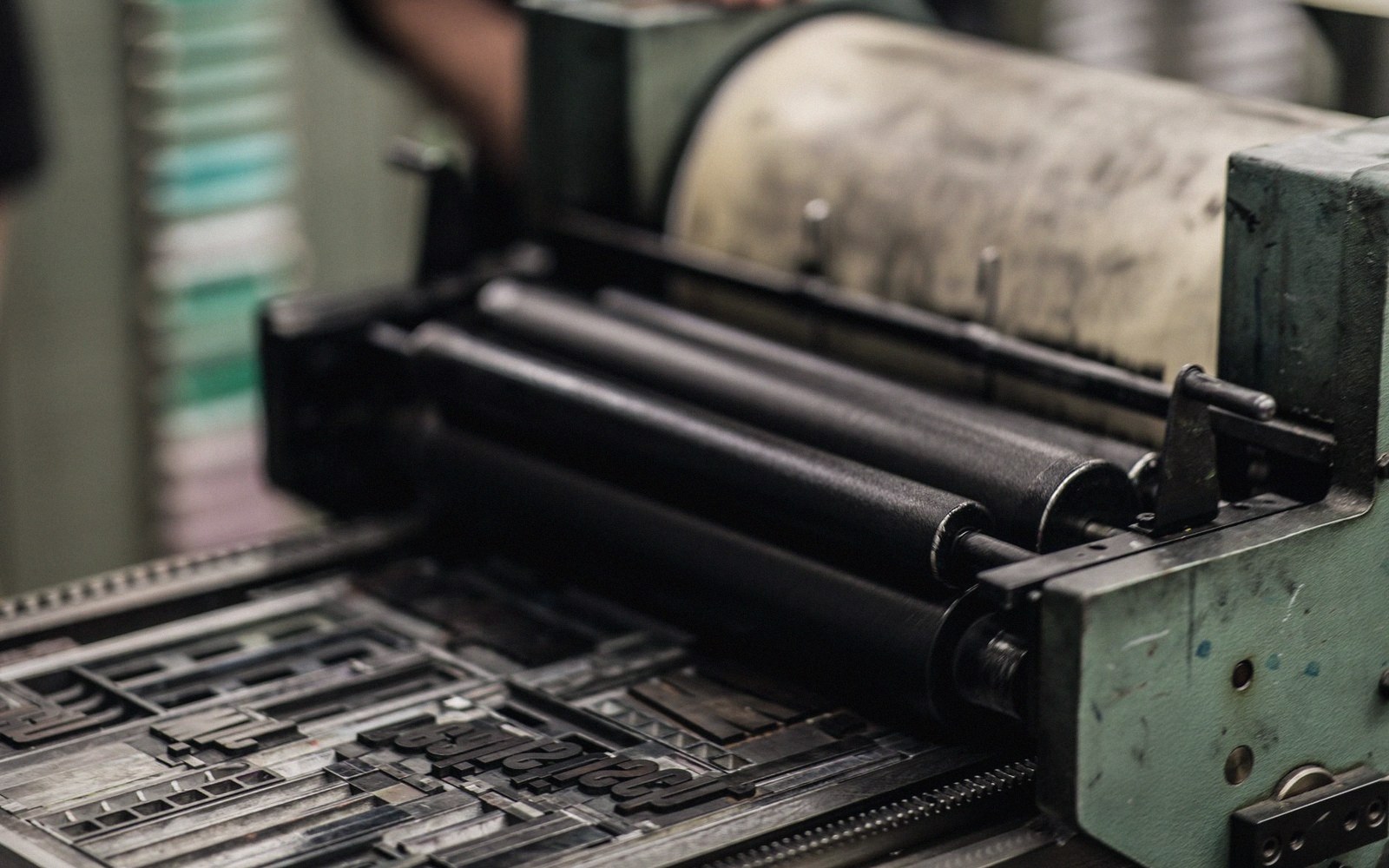
Inked rollers on a letterpress printing machine above metal type set in a chase

Operator habit

Predictable openings, reused settings and lazy indicators did more damage than any mathematical weakness.

Machines