Operator habit
Predictable openings, reused settings and lazy indicators did more damage than any mathematical weakness.

The messages were being read because the people sending them kept doing the same things
The settings changed; the habits did not
A rotor machine changes its internal wiring with every keystroke. That is its whole claim: the substitution never repeats, so frequency analysis cannot get a foothold. The mathematics were sound. The procedures, repeatedly, were not.

Every cryptographic system of the rotor era required operators to make choices before a message could be sent: which settings to use, how to indicate those settings to the recipient, and what to put at the start of the message. Each of those choices was an opportunity for habit to harden into vulnerability.
The indicator system — the arrangement by which a sender told a recipient which specific settings governed a particular message — was a chronic weak point. On the German Enigma, the early-war procedure required operators to select a three-letter message key and encipher it twice at a known starting position, then transmit the six-letter result at the head of the message. The intention was to guard against transmission errors. The side effect was that letters one and four, two and five, three and six of the indicator were always encipherments of the same underlying letter under closely related rotor positions. Polish mathematicians at the Biuro Szyfrów — the Cipher Bureau in Warsaw — built an entire analytical attack on that structural regularity in the 1930s. The procedure gave it to them; the machine did not.
The crib and the greeting
When that double-encipherment procedure was eventually dropped, the problem shifted but did not disappear. Operators settled into formulaic openings. A weather report began predictably; a message from a particular station to its headquarters tended to open with the same administrative phrasing. These predictable fragments — known in the trade as cribs — allowed analysts at Bletchley Park to guess a run of plaintext and test positions mechanically on the Bombe.
The most celebrated category of operator habit was the Heil greeting, the tendency of certain German operators to open with a salutation that analysts had learned to anticipate. Less celebrated but equally consequential was the practice of sending test messages at the start of a shift — sometimes nothing more than a string of repeated letters, or the operator's initials, or a sequence such as "AAAAAAA". Repeated plaintext produces repeated ciphertext structure; a string of identical letters under a rotor machine is not random noise, it is a strong constraint on the wheel positions. Operators who sent these test messages as live traffic handed analysts a direct route into the day's settings.
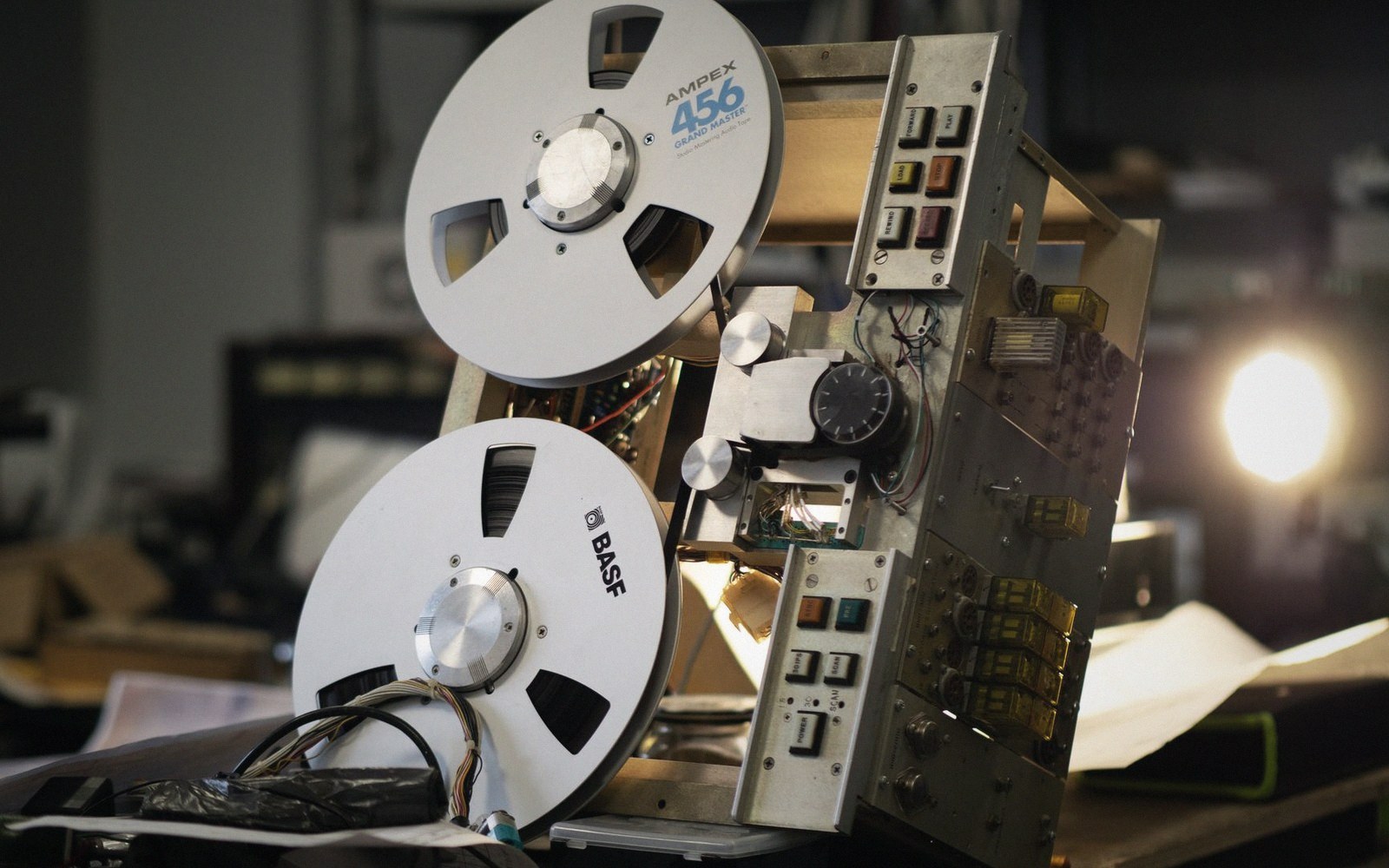
Indicators were another site of individual habit. Operators required to choose a three-letter indicator were supposed to select it at random. In practice, many chose the same letters repeatedly — their initials, a girlfriend's name rendered in the first three letters, adjacent keys on the keyboard (QWE, ASD). One operator became known to Bletchley analysts by his characteristic choice; his messages were anticipated before they were fully read. Colloquially, such predictable choices were known as "cillies" — the term, almost certainly internal slang, referred to the repeated indicator choices rather than to the operators.
The same pattern appeared in other theatres and with other systems. Japanese naval operators using the JN-25 code-plus-cipher system were observed to transmit messages in formats so regular that even without a break into the underlying system, traffic analysis could identify message types, originating stations and communication rhythms. Habit made the traffic legible at a level above the cipher.
Procedure as the last line
The lesson that the rotor era demonstrated, and that the history of cipher operations confirms across every era, is that mathematical security and operational security are distinct problems. A system can be computationally strong and operationally brittle at the same time.
Procedure existed precisely to suppress habit: randomise the indicator, vary the opening, never use a test message on a live keying, destroy the settings sheet after use. The problem was enforcement across hundreds of operators, under operational pressure, often in field conditions. Discipline degraded. Tired operators defaulted to the familiar. The familiar was readable.
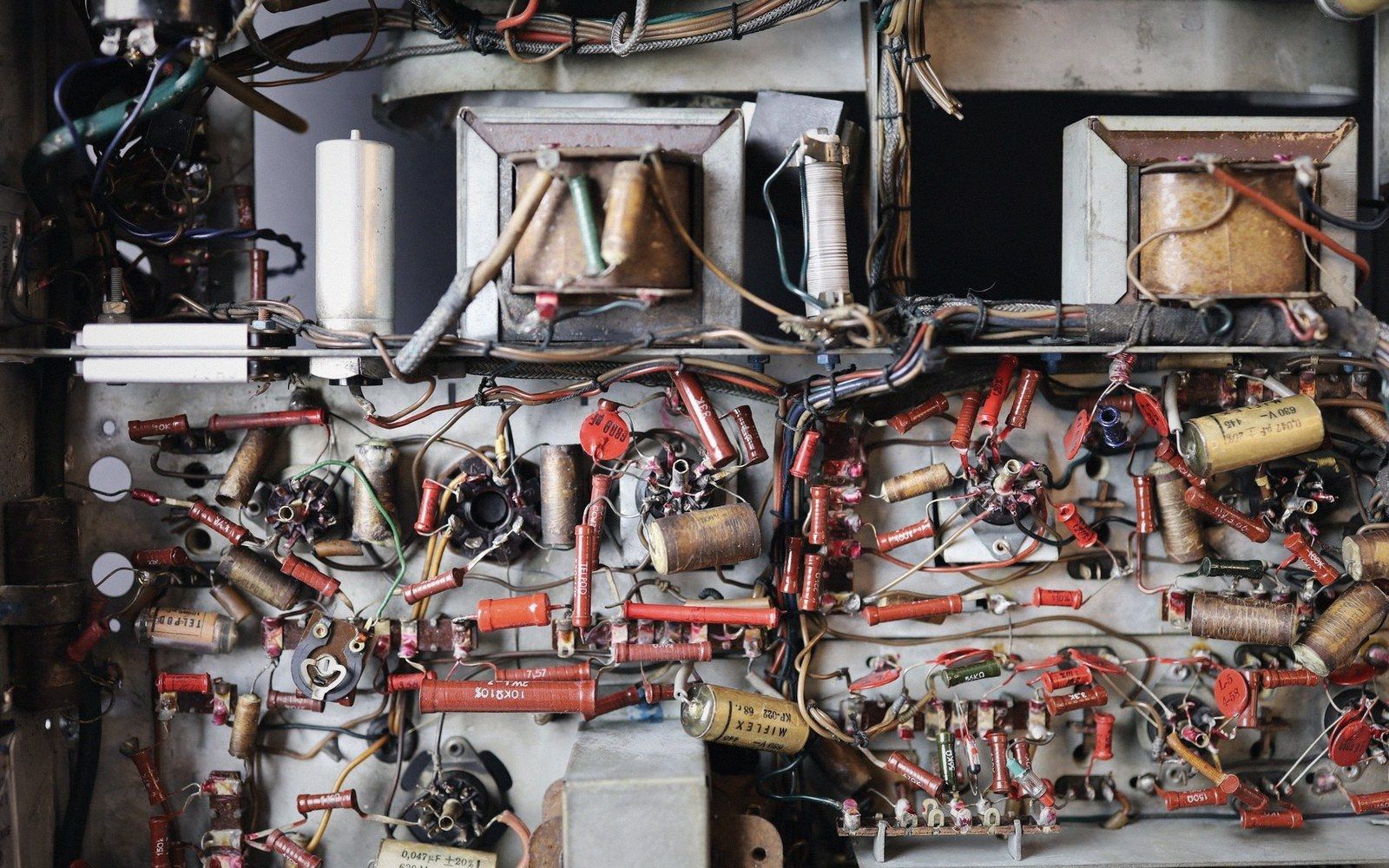
The breaks that mattered — that were sustained over months and years rather than resolved in a single clever session — almost always rested on this foundation. The machine held. The operator slipped. The slip recurred. And the traffic was read for years because that was cheaper, and more informative, than announcing what the slip had cost.