Nomenclators
A cipher alphabet for the letters, a list of code-groups for whole names and words — and a ledger so bulky it became its own security problem.
The two-part key
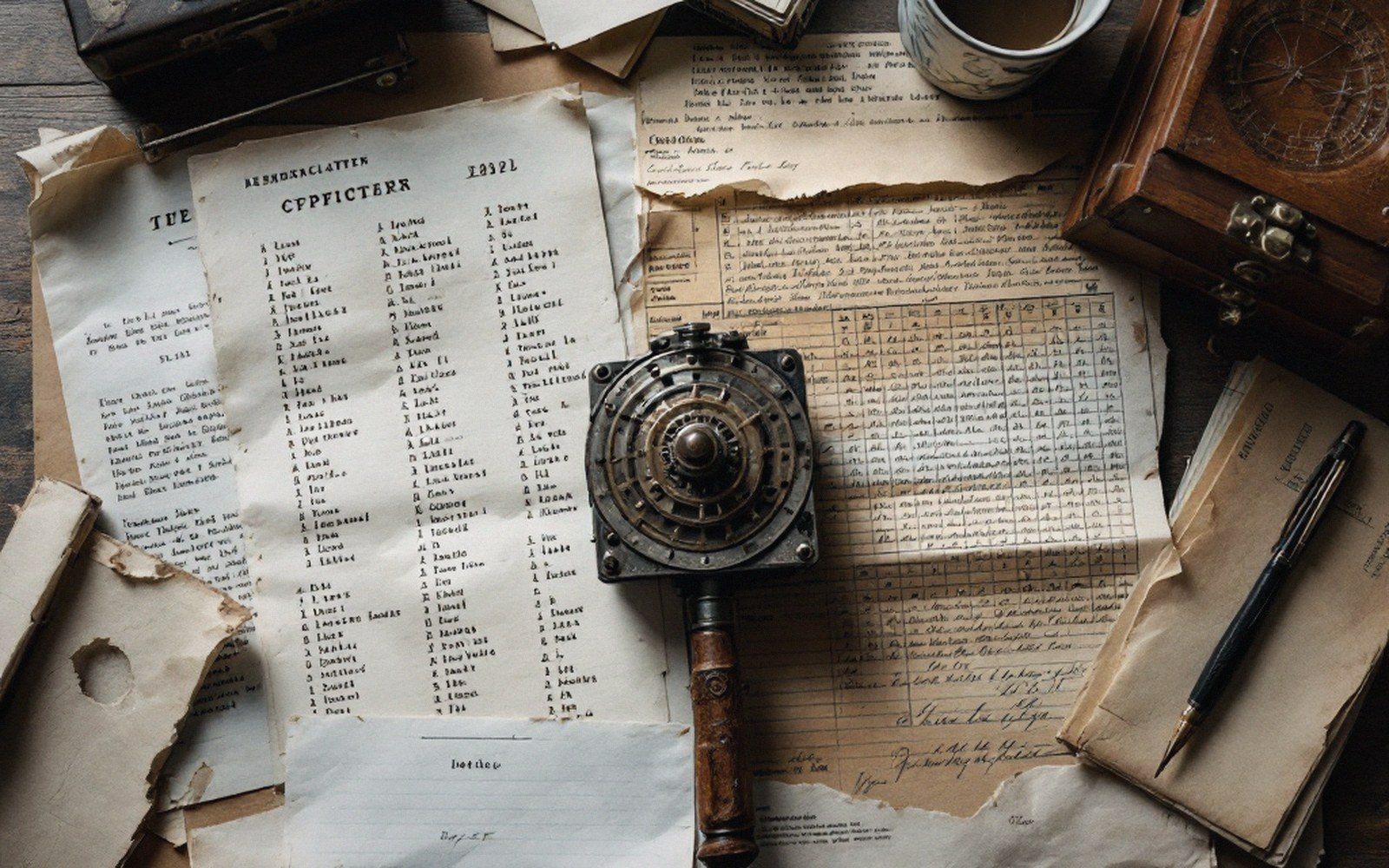
A nomenclator is a hybrid: part monoalphabetic substitution cipher, part codebook. A clerk enciphering a dispatch would first replace ordinary letters with cipher symbols, then substitute special code-groups for the names, places, and recurring phrases that mattered most — the king's title, a city's name, a diplomatic formula. The result was a single encrypted text drawing on two layers simultaneously.
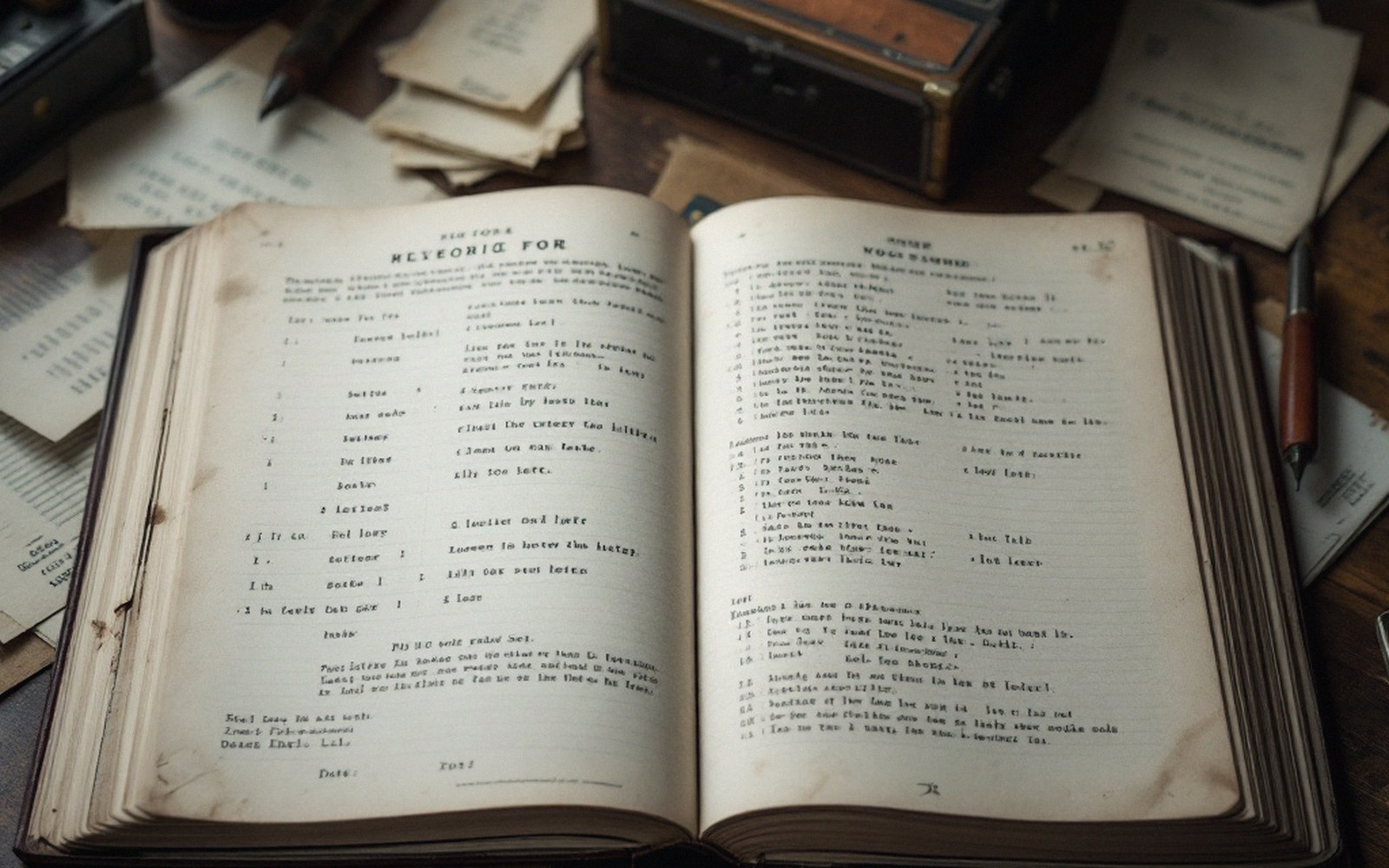
The form was dominant in European diplomatic correspondence from roughly the fifteenth century through the eighteenth. Every major chancellery — Venetian, French, Spanish, papal — maintained sets of them, updated when a key was suspected to be compromised, negotiated at the start of alliances, and couriered with the same care as sealed letters. A diplomat posting abroad might carry several, one for each correspondent. The physical object was typically a set of numbered tables: one section for the letter substitutions, another listing code-groups for a hundred or a thousand specific entries, and sometimes a third column of nulls — meaningless groups inserted to frustrate analysis.
The practical limitation was size. A nomenclator covering a thousand entries was a substantial manuscript. Two parties had to carry identical copies, keep them current through additions, and secure them against capture. When French cryptanalyst Antoine Rossignol broke the nomenclator used at the siege of Réalmont in 1626, the intercepted dispatch revealed that the besieged garrison had no ammunition — and the town surrendered. The case shows how much a broken nomenclator could cost: once Rossignol had solved the key, every intercepted dispatch was readable.
What frequency analysis could accomplish against pure letter substitution was partly blunted by the code portion: common words and names disappeared behind arbitrary groups, leaving the analyst fewer footholds. But the cipher layer, where it covered ordinary text, remained a monoalphabetic substitution and inherited all its weaknesses. The nomenclator was not a solution to the letter-frequency problem — it was a workaround, and a labour-intensive one.